6 min read•Published 2026-10-04
Blender vs. Food Processor: The Kitchen Tool Showdown
They both have spinning blades and electric motors, but blenders and food processors perform radically different culinary tasks. Here is how to know which one belongs on your counter.

Marcus VanceLead Kitchen & Appliance Tester
Save / Share:Pin to Board
Essential Executive Summary
- •Blenders use fixed vortex blades to homogenize liquids, smoothies, and velvety purees.
- •Food processors use wide S-blades and discs to chop, slice, shred, and knead dry ingredients.
- •Never put heavy dough or dry vegetables into a blender expecting diced salsa.
- •A high-end Vitamix can handle nut butters, but cannot slice cucumbers or grate cheese.
### Vortex Dynamics vs. Mechanical Chopping
The essential difference between a high-speed blender and a food processor boils down to **fluid dynamics versus mechanical cutting**.
What a Blender Excels At Blenders feature a tall, narrow pitcher that funnels ingredients downward into a central vortex. The blades are blunt and rely on rotational speed (up to 24,000 RPM) to smash cell walls apart: * Smoothies with pulverized seeds and kale * Hot friction-blended vegetable soups * Pureed dressings and emulsions (mayonnaise, vinaigrettes) * Crushed ice and frozen cocktails
What a Food Processor Excels At Food processors feature a wide, flat work bowl with razor-sharp blades that rotate at lower RPMs (around 1,500 to 2,000 RPM). They do not require liquid to circulate food: * Dicing chunky salsa and chopping nuts without turning them to sludge * Grating blocks of cheddar cheese and slicing potatoes with disc attachments * Kneading pie dough and pasta dough with plastic dough blades * Making thick hummus and pesto without liquid cavitation
Sponsored Advertisement
Recommended Products Mentioned in This Guide
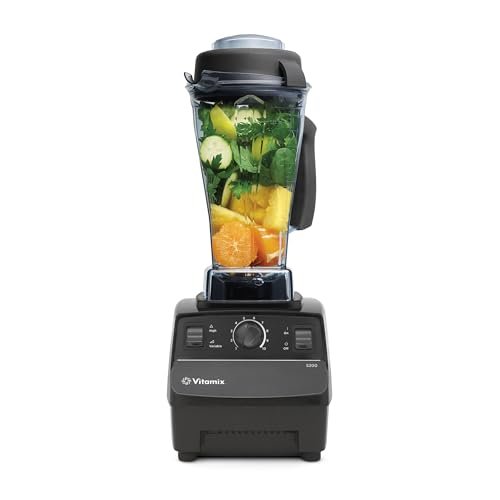
Vitamix 5200 Professional Blender
Score: 9.6 / 10$399.95Check Price
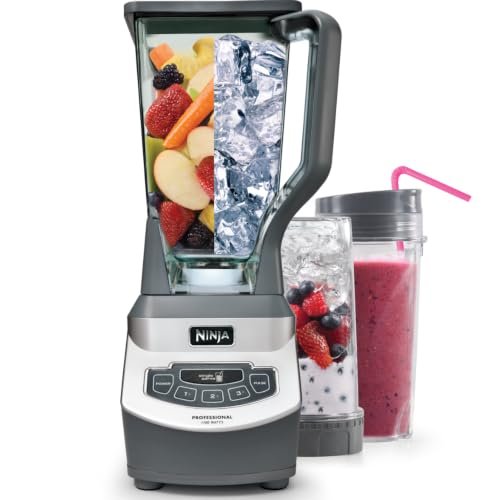
Ninja Professional BL660 1100-Watt Blender
Score: 8.6 / 10$109.99Check Price