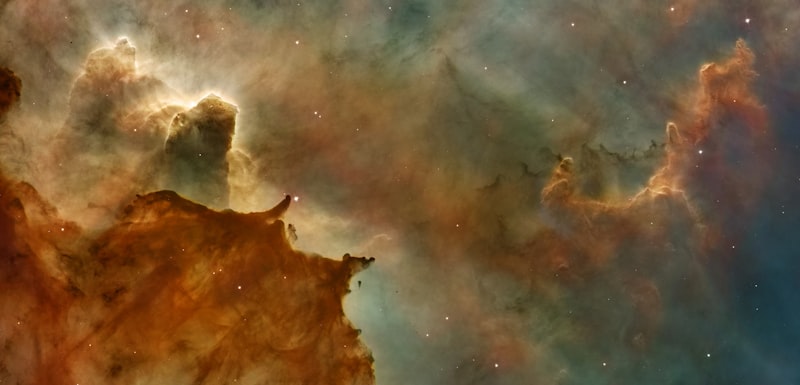
NASA's James Webb Space Telescope has captured new images of galaxies that appear to have formed within 300 million years of the Big Bang — far earlier than theoretical models predict should be possible.
The observations, published in The Astrophysical Journal, show surprisingly mature galaxies with well-defined structures and heavy elements at a time when the universe was still in its infancy.
Rewriting Cosmic History
"These galaxies shouldn't exist this early," said lead researcher Dr. Elena Vasquez. "They're forcing us to rethink our models of how the first stars and galaxies formed."
The findings suggest that the processes of star formation and galaxy assembly in the early universe were far more efficient than previously understood, or that our models of dark matter and dark energy need revision.
Next Steps
The research team plans to use the telescope's spectroscopic instruments to analyze the chemical composition of these ancient galaxies in greater detail.